
Tips To Purchase Your First Knee Brace
Posted by Refisio Health on 1st Dec 2016
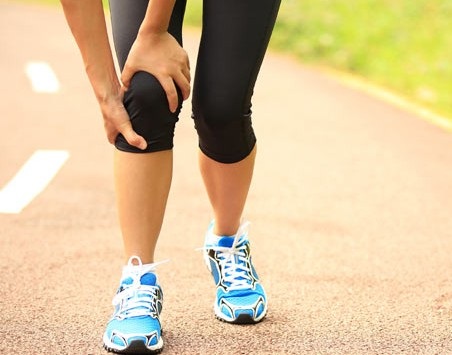 Are
you looking to purchase your first knee brace but not sure which one is right for you?
Are
you looking to purchase your first knee brace but not sure which one is right for you?
They are many knee braces on the market, available in many different designs and sizes, support levels and types, it can be daunting when trying to get the right brace for yourself. This general guide listed three determining factors to help you choose the right knee brace.
- Type of injury
- Support level and planned activities
- Correct sizing
Type of Injury
First of all, find out what knee injury you have. Seek healthcare practitioner help if you don’t know the answer. Trying on a knee brace which is not designed to deal with your particular injury will bring further damages to your knee. Once you know exactly what injury you have, it will be easier for you to look for knee brace that designed for your particular injury.
Some knee braces designed for specific injuries such as Osteoarthritis knee brace, ACL knee braces that have certain features and fittings to provide adequate support and pain relief from that particular area of the knee.
Support Level & Planned Activities
Different types of injury require different level of support, and you may need to change between braces as the progress of the injury changes.

Generally, a less serious injury, such as a mild ache in the knee, a low level support brace should be sufficient to provide the required support and flexibility to the knee.
A post surgery brace will offer the high level of support. For example DeRoyal Warrior Recovery Post-Op Knee Brace is designed to provide post-surgery knee stabilisation and rehabilitation as it helps to prevent hyperextension and causing knee joint instability.
Another important factor to consider is the type of activity you plan to undergo. For an athlete with a mild knee injury may only need a low level support brace that allow them to continue training without too much restriction but still offers pain relief from the injury. If the injury is serious and requires a period of rest and immobilisation of the knee, then a higher supporting brace will be required.
In the process of recovery, patients may require changing between the braces to accommodate the progress of injury changes. For example, patients begin with an ultimate support brace when the injury first occurs, will need a lower level support when they move into the rehabilitation phase to strengthen the knee muscles.
Correct Sizing
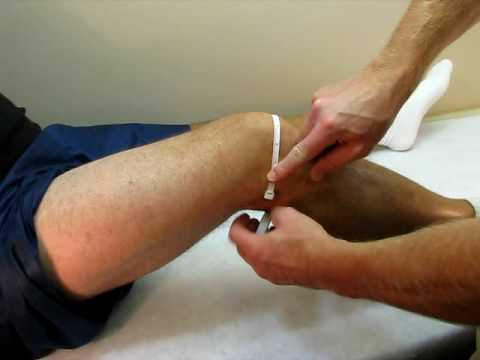
Most of the knee braces have a sizing guide and the right way to take the measurement. Find out what is the minimum/ maximum size it can cater for if sizing guide is ‘one size fits most’ or ‘ universal’ size.
Take the correct measurement with a flexible measuring tape around your leg/ knee where the brace will sit, no guesswork.
Wearing an ill-fitting brace bring more damages than good to your injury. A tight brace will put too much pressure on the injury, restrict blood flow and causing discomfort. Equally, a knee brace that is too large will not offer the much needed support and causing further injury when undergoing activity, let alone the embarrassing moment to see your knee brace sliding down during activities.
The information above is general in nature and is only intended to provide a summary of the subject matter covered. It is not a substitute for medical advice and you should always consult a trained professional practising in the area of sports medicine in relation to any injury. You use or rely on the information above at your own risk and no party involved in the production of this resource accepts any responsibility for the information contained within it or your use of that information.